Artykuł niedostępny w języku polskim EN Anulować

About the River Vltava

Vltava is a national river that connects regions and various activities. The Vltava is not only about the water that flows in it, but also about activities in its surroundings for pedestrians, cyclists and skiers. The Vltava River offers year-round use of leisure time in all directions. Every section is characteristic of something and the potential to reach different groups of people to find what they like and discover more places is great. From the springs of the Vltava River in Kvilda to the confluence with the Labe near Mělník - this is over 430 kilometers of experience.

  • LENGTH                                                       430,2 km
  • CATCHMENT AREA                                    28 090 km² 
  • AVERAGE FLOW                                         151 m³

Vltava geographically

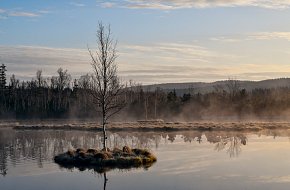
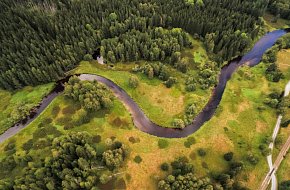
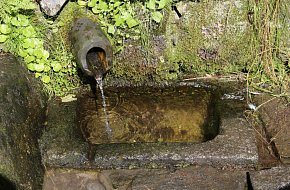
One of the two main sources of the Vltava River is the Teplá Vltava River, which originates on the slope of Černá Hora in Šumava. Behind Lenora, there is the largest mud peat bog in the Czech Republic, also known as the Vltava Mead (it is peat that causes the characteristic brown water color). For example, a carnivorous round-leaved sundew can be found in the area.

The second main spring is called the Cold Vltava, springing beyond the borders in Bavaria. The confluence of both springs is located at the village of Chlum. The river is called the Vltava River from there on. A typical representative of this section is the Brown Trout.

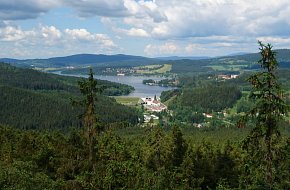
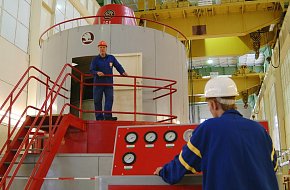
At Nová Pec, the river flows into the Lipno reservoir, which ends with a dam with a hydroelectric power station. The minimum dam flow is 2 cubic meters per second. It is the largest dam in our country, up to 5 km wide in its widest point.

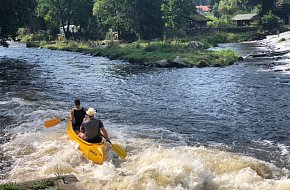
The section behind the dam called Devil's Streams is one of the most challenging slalom trails in the world. Furthermore, the river progresses to the north, where near the České Budějovice river Malše. This is followed by the Hněvkovice dam providing water for the Temelín Nuclear Power Plant.

The river Lužnice flows in behind Týn nad Vltavou. The Orlík Dam (with a depth of up to 74 m) and four other Vltava Cascade dams follow. The Sázava river flows in near Davle and Berounka joins near Prague. The Vltava River ends at Mělník at the confluence with the Elbe River, whose flow is paradoxically less massive. The length of the Vltava River is 430.2 km.

Vltava historically

It got its name from the old Germans who called it Wilt-ahwa (wild water). It appears for the first time in 1125 in the Cosmas Chronicle under the name wlitaua.

The first settlements and towns were built along the Vltava River in the early Middle Ages. The Vltava River served as a source of water, energy (mills) and also as a traffic artery. Not only wood but also salt on rafts floated along the river. The importance of navigability is evidenced by the regulation of Charles IV that all weirs on the Vltava must have so-called rafts. 

With the improvement of navigation conditions in the 16th century, long-distance shipping began to develop. 

The first steamers begin to appear in the second half of the 19 century, especially in Prague. They do not only cruise, but also function as a regular service.

In 1930, the first part of the Vltava Cascade construction started with a navigation chamber near Vrana nad Vltavou. This was followed by the dam at Štěchovice, Slapy, at the same time Lipno I and Lipno II, and the largest dam, Orlík, completed in 1966. The Hněvkovice and Kořensko waterworks were completed last in 1991.

Currently, the Vltava is mainly sought after by tourists. It serves not only for recreation and water sports, but also for fishing. This is connected with the purity of the water, which in recent years, thanks to increasingly advanced technology, is constantly improving.

Vltava musically

Vltava is the second symphonic poem from the cycle Má Vlast (My Country) by a brilliant Czech composer Bedřich Smetana. This national artist wrote a composition about the Vltava River in 1874. He became deaf 4 weeks after the song was written. He had never heard his own work.

But you can listen to it on the links below. You will hear a tiny stream at the Vltava springs. The connection of the Teplá and Studená (warm and cold) Vltava to one stream, which continues to flow through the groves and meadows. The glory and shine of castles proudly standing on the rocks above the glory and shine of castles proudly standing on the rocks above the river. Merry feasts, city tournaments, but also the decline and ruins of long past. 

Link to the DOCUMENT ABOUT THE VLTAVA COMPOSITION: https://www.ceskatelevize.cz/porady/11571156343-barenboim-smetana-ma-vlast/


1. section: Kvilda (Bučina) – Nová Pec

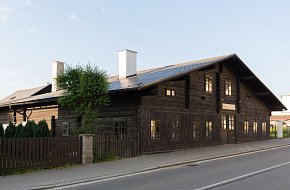
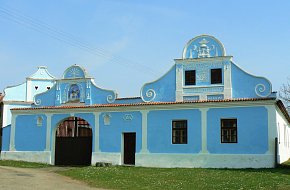
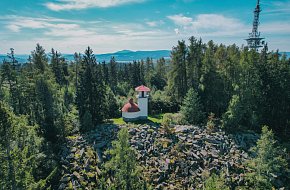
The first section is located at the very beginning of the Vltava River in South Bohemia. The place where the river makes the first sounds and gradually grows to the beginning of the Lipno Dam. The Vltava River passes through the beautiful nature of the Šumava National Park, when its navigability is limited. There are marked trails for cyclists and pedestrians from the spring itself. Especially these paths lining the Vltava River are unique in this section. The National Park Center, the Vltava Spring or Lenora with local bread baking are definitely worth a visit.

What to do along the Vltava

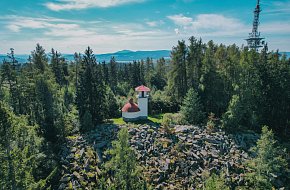
Wieża widokowa Mařský vrch
Miasto Husinec

Destynacje

Miasto Husinec
Zamek Dub koło Prachatic
Rechle w Lenorze
Pałac Vimperk

Destynacje

Pałac Vimperk
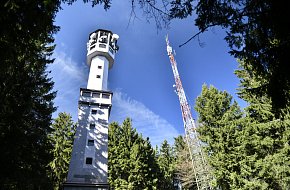
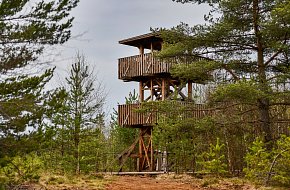
Wieża widokowa Zadov
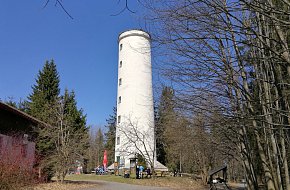
Wieża widokowa Libín
Źródło Wełtawy
Wzgórze Mařský
Wieża widokowa Libín
Rechle w Lenorze
Źródło Wełtawy
Park Linowy Zadov
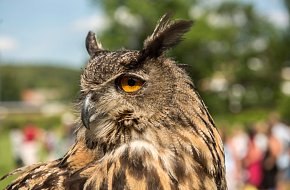
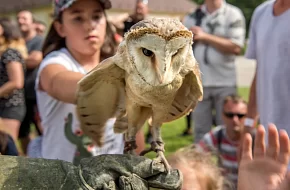
Sowiniec Borová Lada
Soumarské torfowisko
Puszcza Boubínska i jeziorko
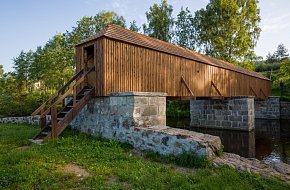
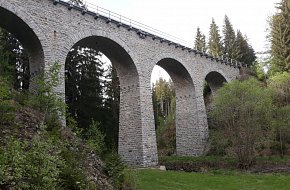
Wiadukt Klášterecký
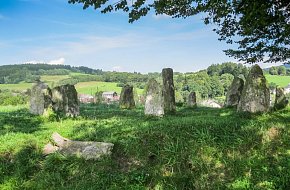
Menhiry w Volarach
Miasto Husinec

Destynacje

Miasto Husinec
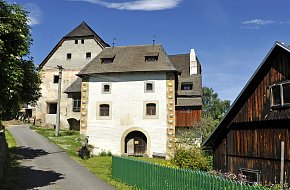
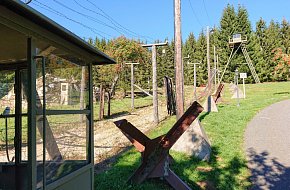
Twierdza Drslavice
Zamek Dub koło Prachatic
Pałac Vimperk

Destynacje

Pałac Vimperk

Vltava through the eye of a tourist

Wycieczki na Boubín

Pomysły na wycieczki

Wycieczki na Boubín

Pomysły na wycieczki

Z Prachatic na Libín

Pomysły na wycieczki

Z Prachatic na Libín
Wycieczka na Třístoličník

Pomysły na wycieczki

Wycieczka na Třístoličník
Wycieczki na Boubín

Pomysły na wycieczki

Wycieczki na Boubín

Pomysły na wycieczki

Z Prachatic na Libín

Pomysły na wycieczki

Z Prachatic na Libín
Wycieczka na Třístoličník

Pomysły na wycieczki

Wycieczka na Třístoličník

2. Section: Nová Ves - České Budějovice

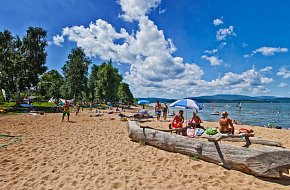
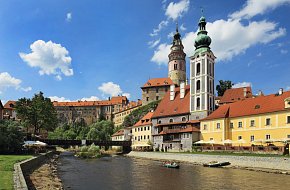
The second section of the Vltava River is one of the most active, at least in terms of water tourism in South Bohemia. It is possible to cross the entire Lipno reservoir on it, sometimes also Devil's streams and ride down the most famous boating section through Český Krumlov. It is this UNESCO-protected city that gets a new dimension from the water. Through several weirs, paddlers can get to České Budějovice, where you can take commented boat cruises at the confluence of the Vltava and Malše rivers. The surroundings of the Lipno reservoir are ideal for both hiking and winter activities.


What to do along the Vltava

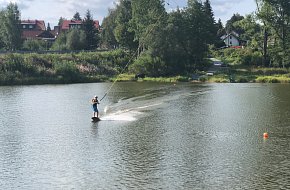
Wakeboarding we Frymburku
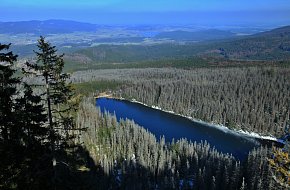
Plechý i Plešné jezero
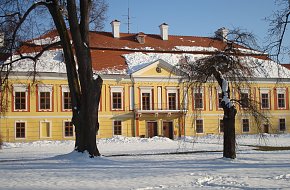
Park pałacowy Červený Dvůr
Diabelski Mur

Destynacje

Diabelski Mur
Wieża Widokowa Kleť

Destynacje

Destynacje

Ścieżka edukacyjna Olšina
Sporty wodne i plaża na Windy Point

Destynacje

Destynacje

Jezioro Jelení
Leśne Królestwo Lipno
Egon Schiele Art Centrum
Zamek Rožmberk
OChK Las Blanski
Kopalnia Grafitu w Czeskim Krumlovie
Zamek Vítkův Hrádek
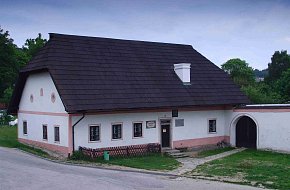
Dom urodzenia Adalberta Stiftera
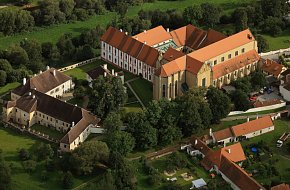
Klasztor Zlatá Koruna
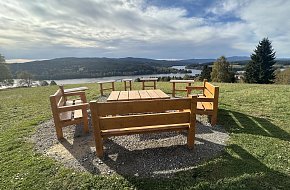
Punkt widokowy Marta
Kaplica Stožecka
Muzeum Lalek - Dom Baśni
Muzeum Moldawitów
Ścieżka Opata
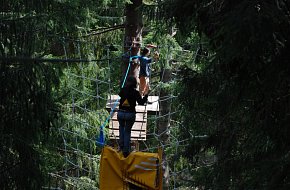
Ścieżka w Koronach Drzew Lipno
Góra Luč

Destynacje

Góra Luč
Dívčí Kámen

3. Section: České Budějovice - Zvíkovské Podhradí

The third section is at the birth of water transport. Near the center of České Budějovice you can take commented cruises. Regular lines run on the lower course, which can be reached via Hluboká nad Vltavou up to Týn nad Vltavou. In addition to boats, paddleboards, houseboats and pedal boats can also be found. There is a beautiful cycle path along the river, which is used not only by cyclists, but also by skaters or hikers. The center of České Budějovice is worth visiting, too, as well as Hluboká nad Vltavou or the moldavites in Týn nad Vltavou.

Vltava through the eye of a tourist

Pomysły na wycieczki

4. section: Zvíkovské Podhradí - Kamík nad Vltavou

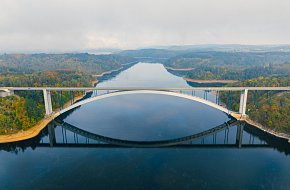
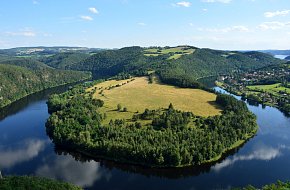
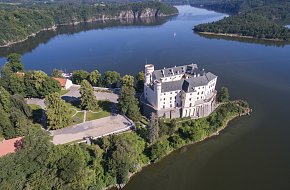
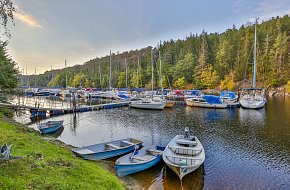
The fourth section is mainly the Orlík Dam, which connects the Jihočeský and Středočeský Regions. A place where water from the Vltava River is regulated and used for recreation. Motorboats, sailboats, sightseeing boats or sports-recreational craft like water scooters or boats pulling waterskiers are driving along the surface of the Orlík Dam. The surroundings of the dam are lined with campsites and beautiful views. It is definitely not possible not to visit places majestically towering above the dam - the castles of Orlík and Zvíkov or a view of the horseshoe near Solenice.


Vltava through the eye of a tourist

5. section: Kamýk nad Vltavou – Praha

The fifth section starting behind Kamýk nad Vltavou is initially full of beautiful meanders of the Vltava River, when the water gradually accumulates within the Slapy reservoir. Once again, we will meet the Eurovelo 7 cycle path. Subsequently, it flows to Prague, where it reaches under the Charles Bridge under Vyšehrad, through Čertovka. What tourists did not find the time to do in the Slapy reservoir, they can still do in Prague - sightseeing cruises, adventure rides, pedal boats or rowing.

6. section: Praha – Mělník

The last section, which closes several kilometers of water experience, in the form of the Vltava River, begins in Prague and ends at the confluence with the Elbe River, near Mělník. This area offers original sightseeing cruises that allow active water enthusiasts to enjoy views of the surrounding countryside. Just before the confluence, it is necessary to overcome the two-chamber lock Hořín, which is a technical monument. The Mělník chateau, from which the confluence of the Labe and Vltava rivers can be observed, should not be omitted, either. On the way, you can also catch a glimpse of Nelahozeves Castle.